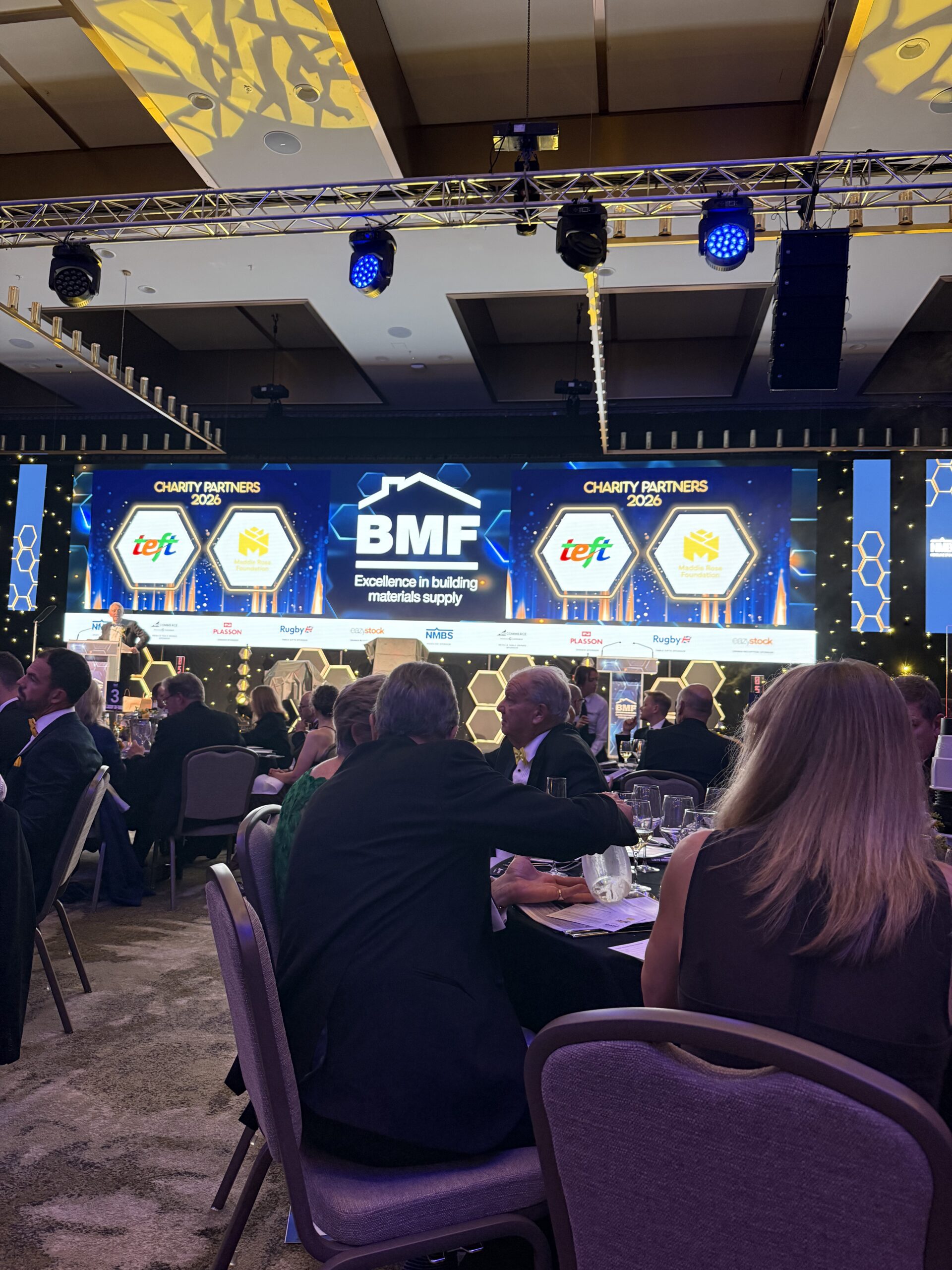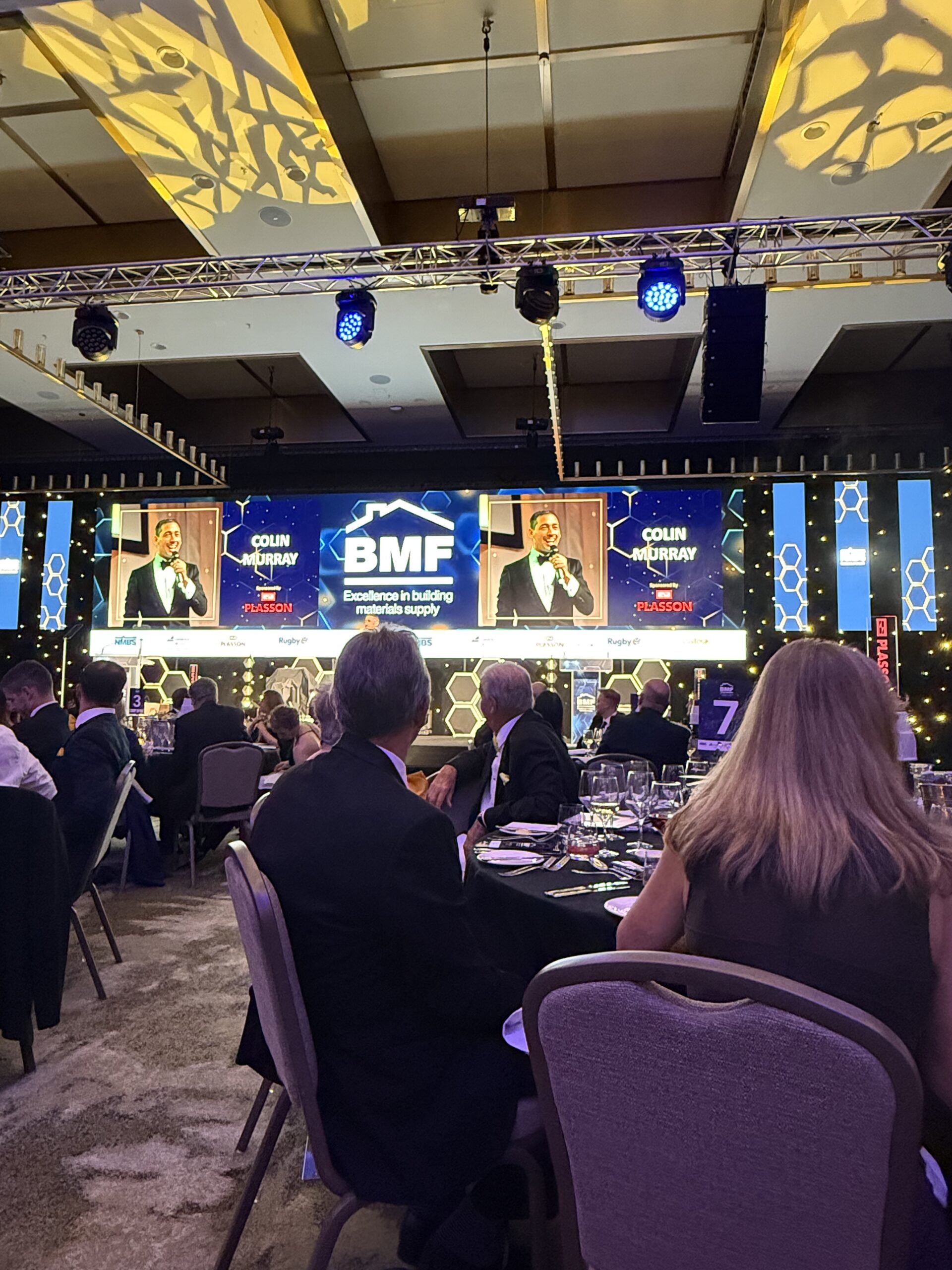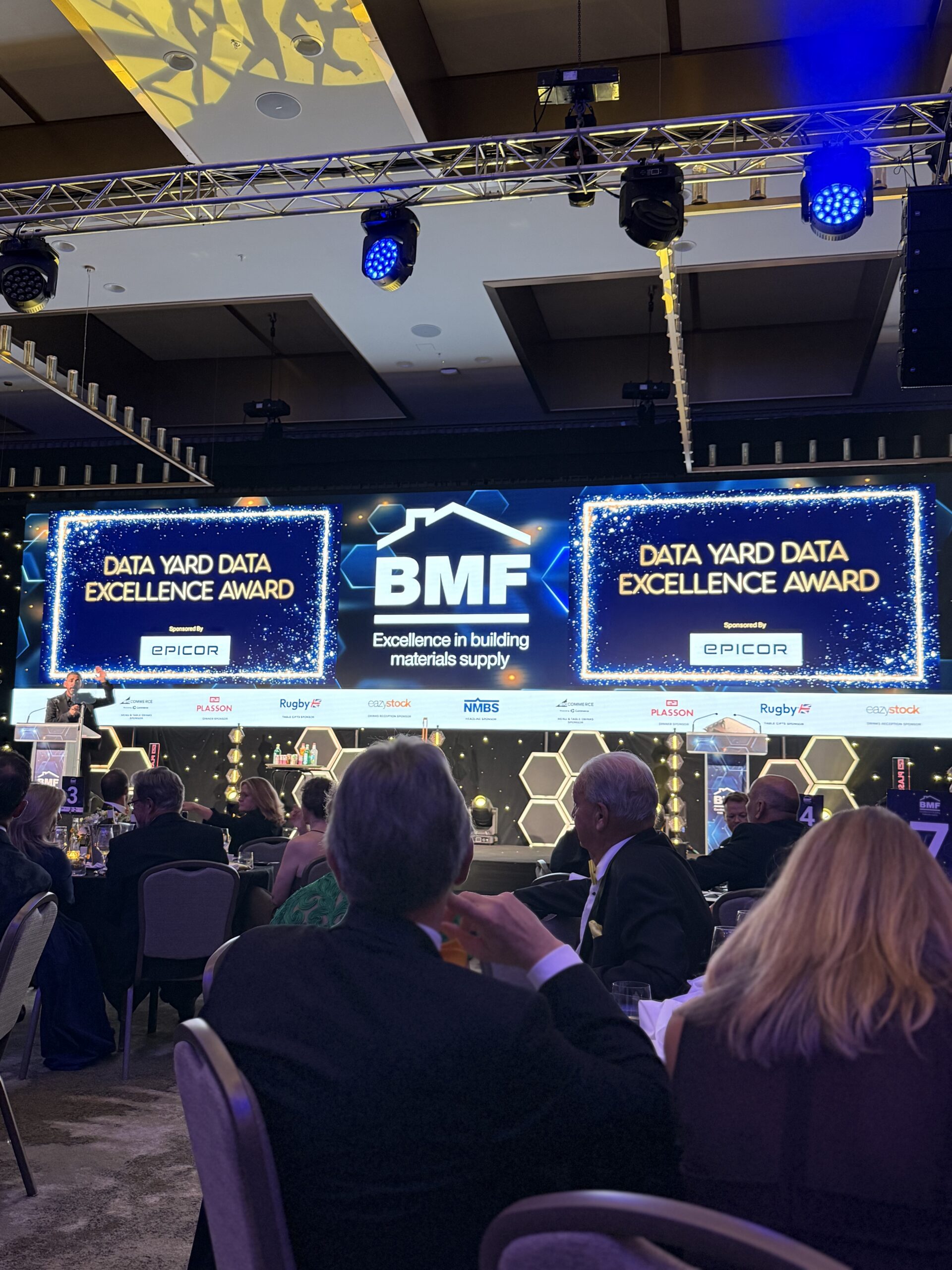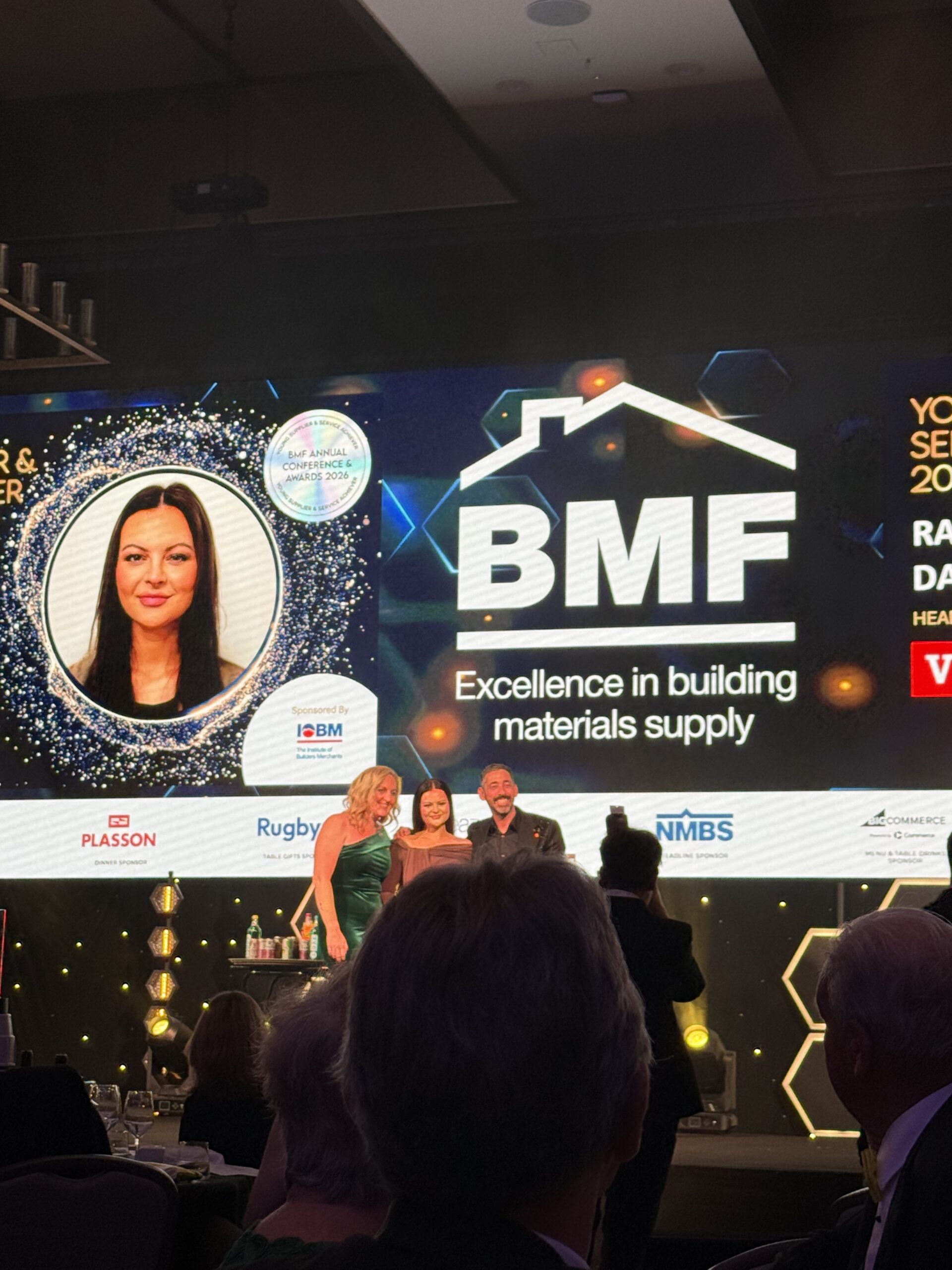
The building materials industry certainly isn’t short of stories. The UK construction sector continues to operate against a challenging backdrop, with subdued demand and a reduction in new projects contributing to another month of declining business activity.
The latest data from BMBI paints a familiar picture of a market where demand remains under pressure, new project decisions are taking longer, and businesses are continuing to manage significant cost pressures.
However, across the sector there is an enormous amount of expertise, innovation, experience and entrepreneurial thinking, with businesses continually adapting to changing customer expectations, new technology, sustainability requirements and an evolving marketplace. Yet, despite having so much to say, much of the industry’s marketing can still feel remarkably similar.
That was one of the biggest takeaways from Members Day. It was a day full of insight, discussion and different perspectives, but what stood out to us was the opportunity sitting behind many of the conversations: the building materials sector has some genuinely compelling stories to tell, and there is a real opportunity to communicate them in a more engaging, human and commercially relevant way.
For us, the day wasn’t simply about listening to presentations. It was about considering what the themes being discussed mean for businesses and, importantly, what they mean for the way those businesses market themselves and communicate with their customers.
Data is becoming central to better decision-making
One of the standout presentations for our Marketing Director, Jamie, came from Daniele Moretti at 4BILD, who shared the organisation’s journey and demonstrated the increasingly important role data plays in business success. It was a valuable reminder that data is no longer something that should simply sit within reports or be reviewed retrospectively; it has the potential to influence how businesses make decisions, understand their customers and identify opportunities.
From a marketing perspective, this is particularly important. Too often, marketing decisions can be based on assumptions about what customers want, what content they will engage with or what messages will resonate. Having access to meaningful data gives businesses the opportunity to replace some of those assumptions with evidence.
That doesn’t mean marketing should become less creative. In fact, we believe the opposite is true. The most effective marketing combines insight with creativity, using data to understand the audience and identify opportunities before creative thinking brings those insights to life. For builders’ merchants and suppliers, that could mean looking beyond basic measures such as impressions, likes and clicks and asking more commercially useful questions about what customers are actually interested in, which products and services are generating engagement, what problems they are trying to solve and where the business has opportunities to strengthen its position.
The real value of data comes when it changes what a business does next. It should influence strategy, content, customer communications and ultimately the experience a customer has with the brand.
Sustainability needs to be more than a marketing message
Sustainability was another important theme within Daniele’s presentation, and it is an area where we believe marketing has an increasingly important role to play. The conversation around sustainability has moved considerably in recent years, particularly within the building materials sector, but there is also a danger that businesses fall into the trap of using broad claims without explaining what those claims actually mean.
Customers don’t necessarily need another business telling them that it is sustainable or environmentally conscious. What they increasingly need is evidence, clarity and substance. What is the business actually doing differently? What impact is it having? How is it changing its products, processes or supply chain? And, perhaps most importantly, why should that matter to the customer?
For businesses that are genuinely making progress, there is a significant opportunity to communicate those stories much more effectively. Sustainability shouldn’t simply live on a dedicated page of a website or appear as an occasional social media post. If it is genuinely part of the business strategy, it should become part of the wider brand story and be reflected through content, customer communications, sales materials and digital channels.
Good marketing doesn’t create a sustainability story that isn’t there. It finds the genuine story within the business and makes it easier for customers to understand.
The afternoon workshops gave members the opportunity to explore product data and growth, alongside sustainability and decarbonisation.
The focus on data reflects the BMF’s wider work to improve product data standardisation across the supply chain through Data Yard, while sustainability continues to be a major priority for businesses looking to reduce environmental impact and respond to changing customer and regulatory expectations.
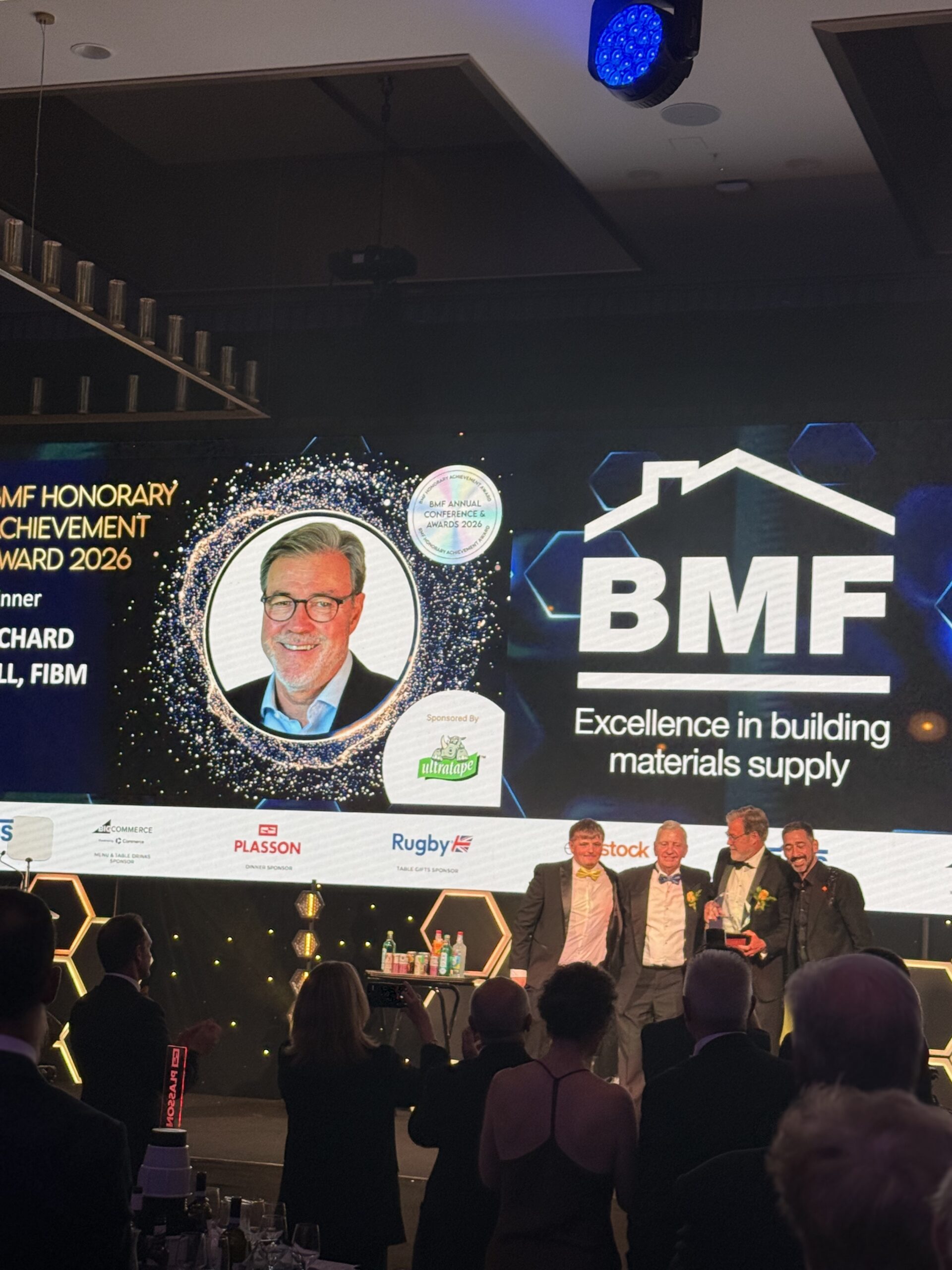
The importance of these topics was also reflected in the evening’s awards, with categories recognising both sustainability and data excellence.
People are the industry’s greatest assets
Another highlight of Members Day was the Women Leading in Building Materials panel, featuring Jen Cassidy, Emma Champion CMCIM MIBM, Helene Bradley FCSCE, ABC, MBA and Alice Maughan. The discussion brought together different experiences, careers and perspectives, providing plenty of honest insight into leadership, progression and the changing role of people within the industry.
For us, one of the strongest messages from the panel was the value of putting people at the centre of the story.
B2B marketing can sometimes become overly corporate. Businesses talk about being “leading suppliers”, providing “high-quality products” and delivering “exceptional service”, but these phrases are used so frequently that they rarely tell a customer anything distinctive about the organisation behind them.
The people within those organisations, however, often have much more interesting stories to tell. Their experience, knowledge, opinions, challenges, achievements and personalities can provide a level of authenticity that corporate messaging simply cannot replicate.
This is why we believe there is such an opportunity for businesses across building materials to make greater use of personal brands, employee advocacy, video and thought leadership. Customers don’t just want to hear from businesses; they want to hear from people who understand their industry and the challenges they face.
The Women Leading in Building Materials panel demonstrated exactly why those voices matter. Creating greater visibility for different experiences and perspectives doesn’t just benefit individuals; it creates a richer and more representative story for the industry.
Looking at the wider economic and political landscape
The programme also looked beyond the building materials sector itself, giving members an opportunity to understand some of the wider forces influencing businesses.
Professor Anand Menon, of European Politics and Foreign Affairs, provided insight into the key issues impacting the nation and the broader political and economic environment.
Bradley Thomas MP, Shadow Business Minister, also addressed members, sharing his perspective on the UK’s economic landscape and the conditions businesses need to support investment and growth.
For an industry operating within a challenging economic environment, these wider perspectives offered useful context around the issues businesses are facing and the factors that could influence the market ahead.
The industry needs to move beyond catalogue marketing
Perhaps the biggest marketing takeaway for us is that the industry needs to continue moving away from purely product-led communications.
There is, of course, an important place for product marketing. Customers need to know what products are available, what they do, what they cost and why they should consider them. But a product shouldn’t be the entirety of the story.
A catalogue tells a customer what something is. Effective marketing should help them understand why it matters.
That means creating content around the problems customers are trying to solve, the projects they are working on, the expertise available within the business and the wider issues affecting the industry. It means using case studies, insight, education, advice, video, customer stories and thought leadership alongside traditional product communications.
The opportunity is to make marketing more useful rather than simply more frequent.
For a builders’ merchant, that might mean helping customers understand how to approach a particular project rather than simply promoting a product. For a manufacturer, it could mean explaining the thinking and innovation behind a product rather than focusing solely on its technical specification. For an industry organisation, it might mean giving its members a stronger platform to share their experiences and expertise.
The common thread is relevance. When marketing is genuinely useful to the audience, it becomes much easier for a brand to earn attention.
Standing out isn’t simply about shouting louder
At Agency53, our philosophy is that standing out isn’t about being the loudest brand in the market. It is about having something meaningful to say and finding a creative way to communicate it.
Members Day reinforced just how much there is to talk about across the building materials sector. There are businesses embracing data, investing in sustainability, developing new products, creating opportunities for people and challenging traditional ways of working. There are leaders with valuable perspectives and teams with decades of experience and knowledge.
The challenge is making sure those stories don’t remain hidden within the business.
The brands that stand out won’t necessarily be those with the biggest marketing budgets. They will be the businesses that understand their audience, know what makes them different and have the confidence to communicate that difference consistently.
That requires marketing to be viewed as more than a collection of social posts, brochures and campaigns. It needs to connect the commercial objectives of the business with the needs and interests of its customers, bringing together data, strategy, brand, creativity and content.
From doing great work to showing people why it matters
The building materials sector has traditionally been very good at doing. It builds relationships, develops products, solves customer problems and gets on with the job.
The opportunity now is to become equally good at showing people what makes those businesses valuable.
That is where we believe marketing can make a real difference. Not as decoration around the business and not simply as a way of filling a content calendar, but as a strategic tool that helps businesses communicate their value, demonstrate their expertise and create stronger connections with the audiences that matter.
For us, that was the real value of BMF Members Day. It wasn’t simply a day of presentations; it was a reminder that there is a huge amount happening across the industry and a huge number of stories that deserve to be heard.
The question is whether we’re communicating them well enough.
At Agency53, we think there is a significant opportunity to do more.
A final thought from Agency53’s Marketing Director
“One of my biggest takeaways from Members Day was just how much knowledge, expertise and personality exists across our industry. We have businesses doing genuinely interesting things and people with decades of experience, but sometimes the way we communicate that doesn’t reflect the quality of what is actually happening behind the scenes.
For me, the opportunity is to make marketing more human, more relevant and much more connected to the commercial objectives of the business. Data should help inform the strategy, creativity should make the communication engaging, and most importantly, the people within the business should bring the story to life.
The building materials sector has plenty to say. We don’t necessarily need to say more; we need to say it better, communicate it more creatively and make sure it reaches the people who need to hear it.”
Jamie, Marketing Director, Agency53
For us, Members Day was a great reminder of why we enjoy working within the building materials sector. There is no shortage of expertise, ambition or stories. The opportunity is to turn those stories into marketing that gets noticed, creates engagement and ultimately makes a meaningful difference to the businesses behind them.